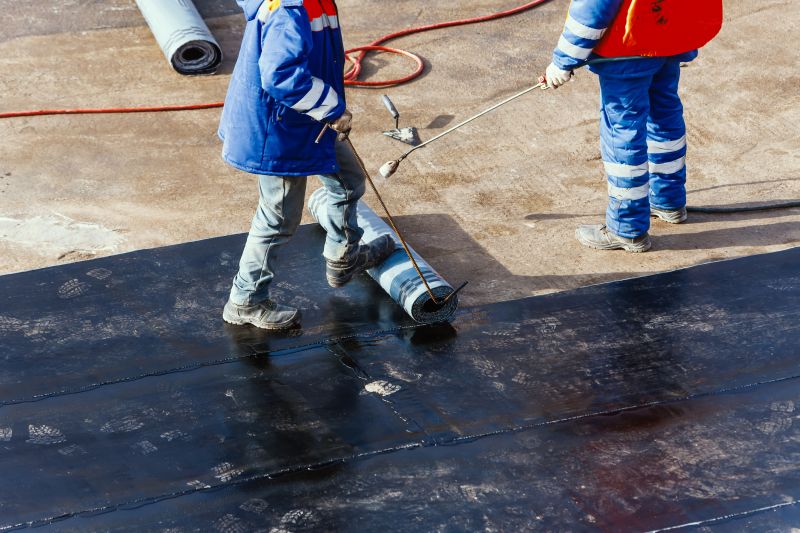

Cost of Vapor Barrier Installation in Dearborn County, IN
Vapor barrier installation in Dearborn County, IN, involves placing a moisture-resistant layer beneath flooring or within wall assemblies to prevent water vapor transmission. The overall cost for such projects can vary depending on factors like the size of the area, the type of materials chosen, labor requirements, and specific site conditions. Understanding these variables can help in comparing options and estimating potential expenses.
Since final pricing is influenced by the scope of work, material selection, and site-specific challenges, it is recommended to obtain detailed quotes from local providers. This allows for a clearer understanding of the expected costs and helps in making informed decisions about vapor barrier installation projects in Dearborn County, IN.
Estimated Cost Range

Factors Affecting Cost
Vapor barrier installation is a common step in improving indoor comfort and preventing moisture issues in Dearborn County, IN. Proper installation involves selecting appropriate materials and understanding the scope of work required for effective results. This overview provides an outline of typical considerations and options for vapor barrier projects in the area.
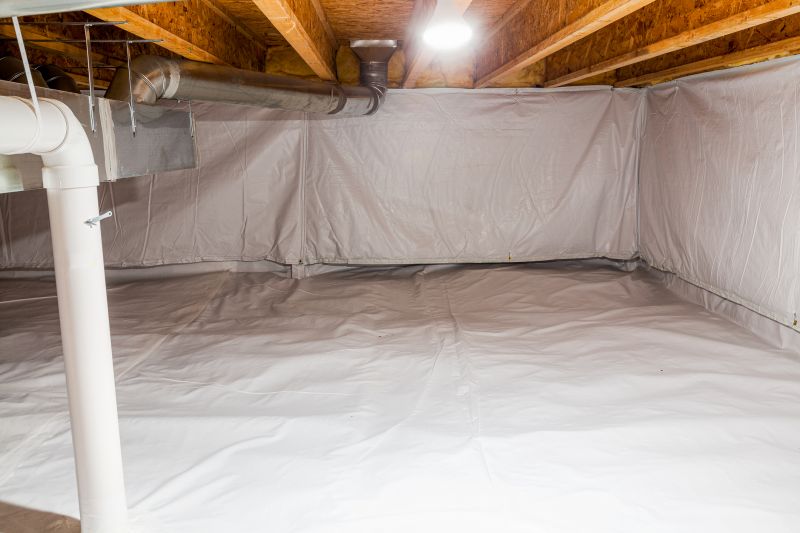
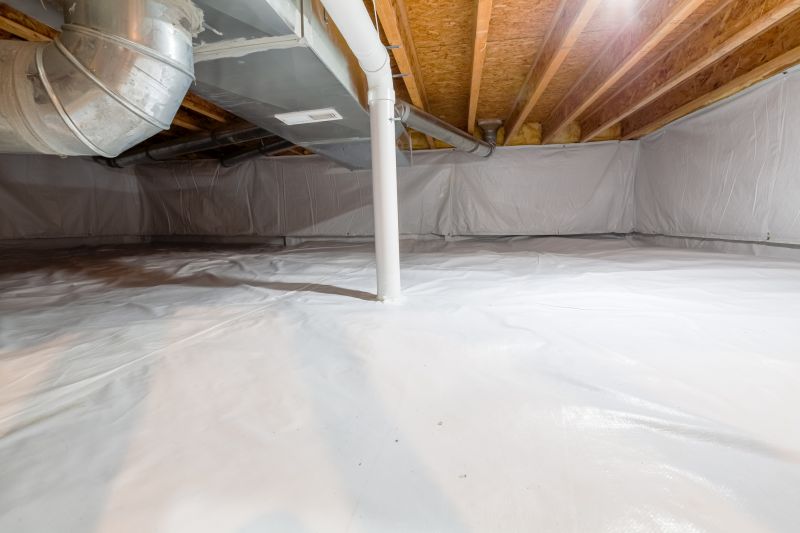
- Materials: Polyethylene sheets (typically 6 mil or thicker), sometimes combined with other moisture-resistant membranes, suitable for basement or crawl space applications.
- Size and Scope: Coverage varies based on the area, with typical installations covering crawl spaces or basement floors, often requiring several hundred square feet of material.
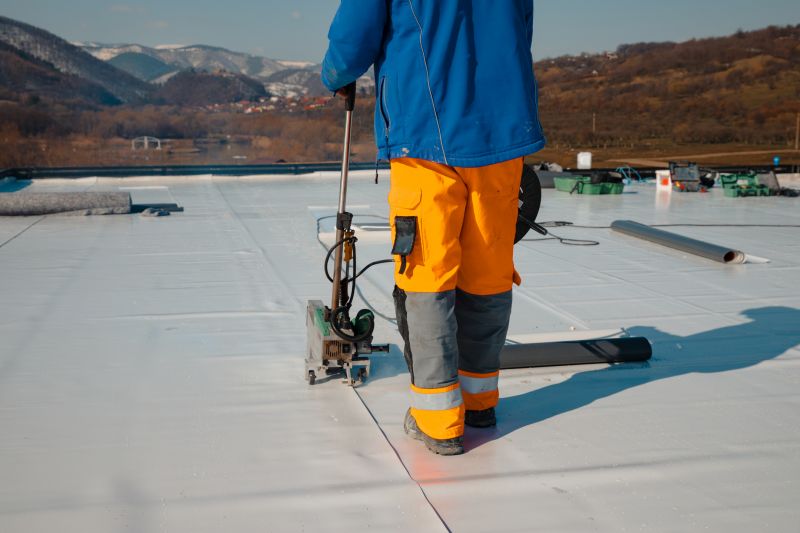
- Labor Complexity: Installation involves preparing the surface, laying out the barrier, and sealing seams, which can vary from straightforward to more complex depending on space accessibility.
- Permitting: Local regulations in Dearborn County may require permits for certain foundation modifications or moisture control systems; checking with local authorities is recommended.
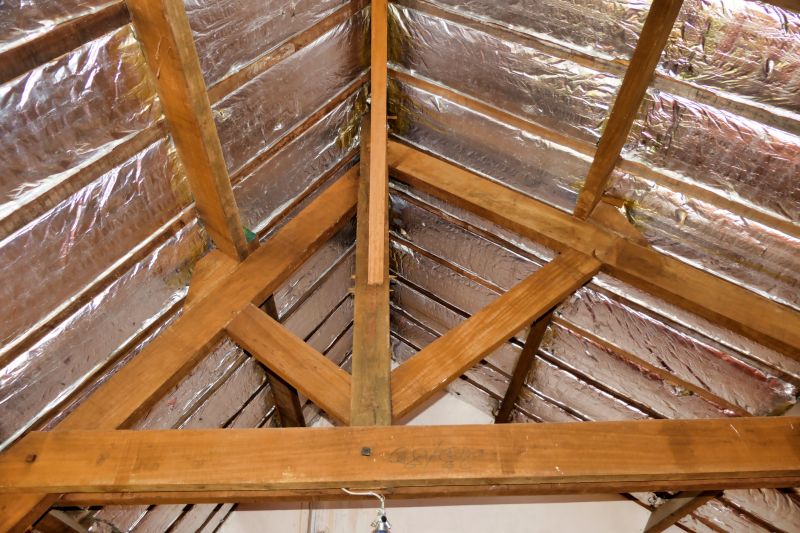
- Additional Options: Vapor barriers can be combined with insulation, sealing of vents, or drainage improvements to enhance effectiveness and address specific moisture concerns.